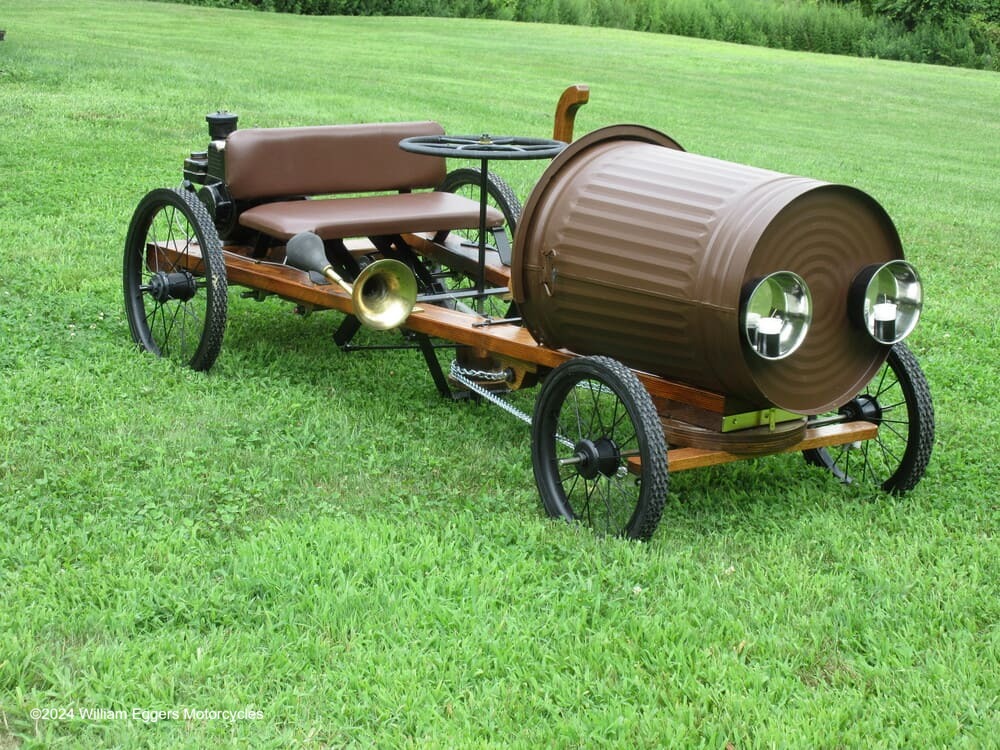
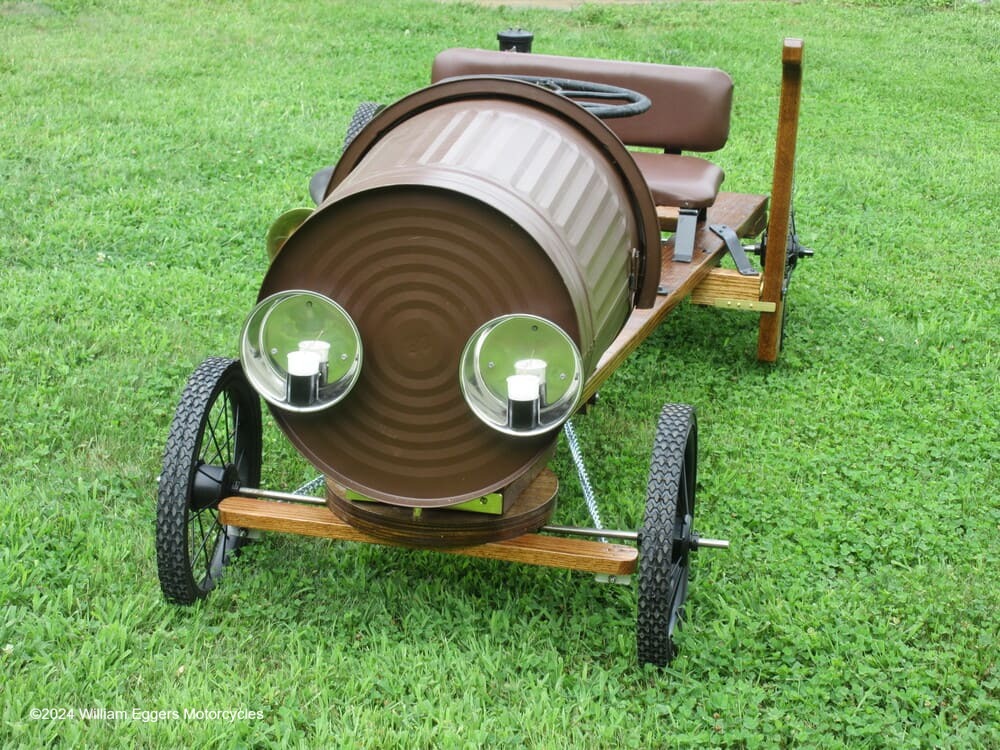
Big Rascals Race Car

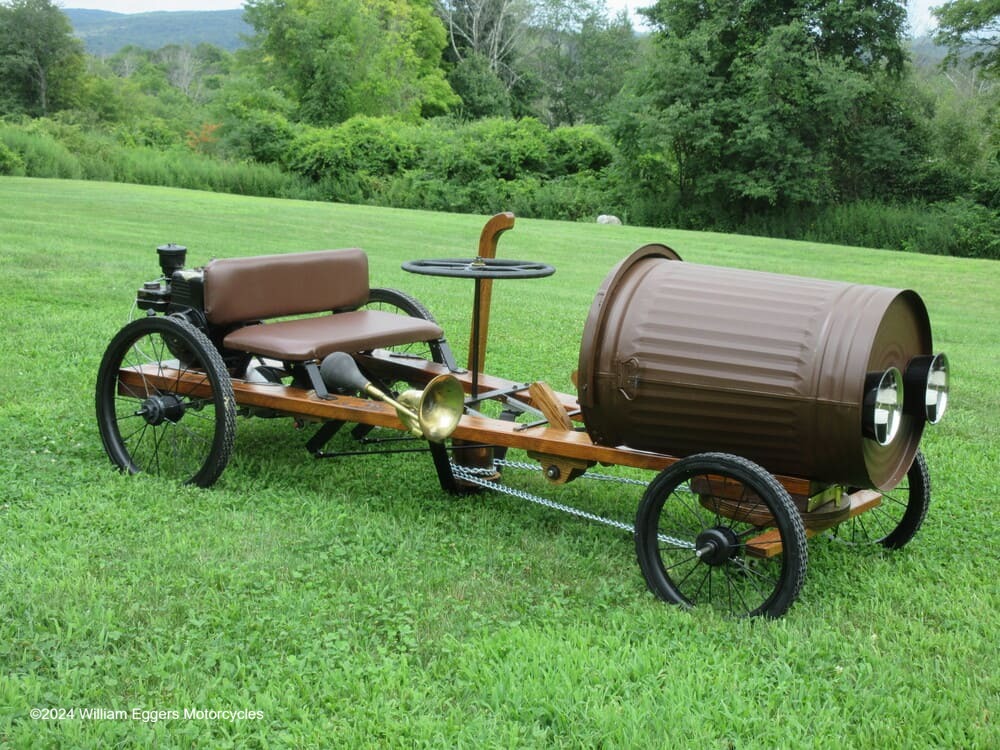
A cross between the Little Rascals Race Car and Bill Eggers‘ first car (age 10!) but for big kids. 400 HP Flathead V-8 anyone?

Features of this race car:

  • 2 speed & 4 speed
  • Air conditioned (too much)
  • Brakes (forget them)
  • 1.5 HP Briggs & Stratton (town)
  • 400 HP Flathead V-8 (Indy 500)
  • Diamond Button-Tufted Leather Seat

This one of a kind race car could be yours! Give Bill a call at +1 (860) 491-3047. Interested in seeing more? Check out the car that started it all, the Little Rascals Race Car!

Little Rascals Race Car


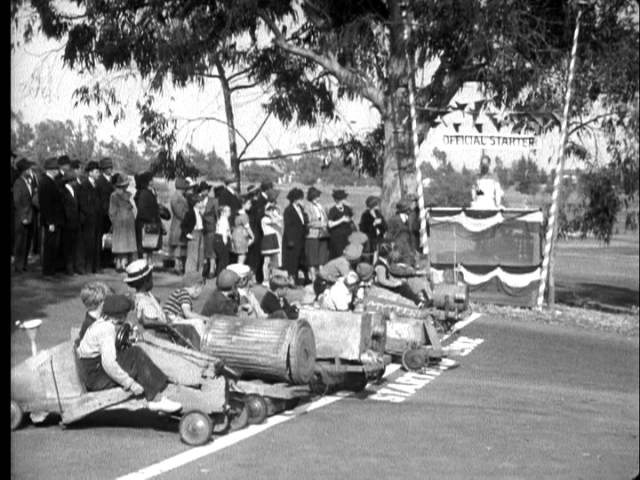
A cross between the Little Rascals Race Car in the “Kid Mobile Classic” from the short film Auto Antics and Bill Eggers’ first car (circa 1950-1960 at age 10). This vehicle may not win you the $5 for gas and oil, but you will have the ride of your life!

Overflowing with state of the art features, this beauty includes:

  • Air-conditioning
  • 2 Speeds
  • Antique Horn
  • Brakes (maybe?)
  • Arm Power Steering
  • 1.5 HP Briggs & Stratton Engine
  • Leather Bench Seating

It even has a working steering wheel–a gear from an old farm tractor gear. This one of a kind race car could be yours! Give Bill a call at +1 (860) 491-3047. Keep your eyes peeled for the second race car in the series.

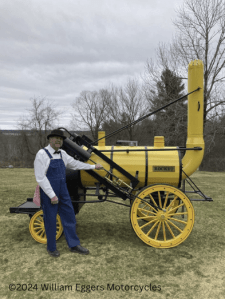
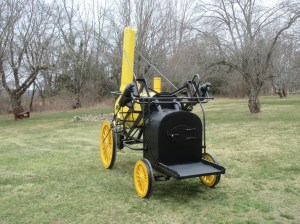
1829 Stephenson’s Rocket

The Rocket, designed and built by Robert Stephenson and his son, was created for the Rainhill locomotive trials in 1829. (Liverpool & Manchester Railway was looking to open the world’s first intercity passenger railway and was looking for a contractor to build said locomotives.)

The average speed was 12 MPH and the top speed was 30 MPH. An interesting choice, since the original Rocket had no brakes:

1829 Stephenson’s Rocket in action!

The WildBill Eggers 3/4 scale replica was built from a small scale model which was purchased from London. A single original Rocket still exists–it left the Science Museum in 2018, toured various sites around the U.K. until it came to rest at the Locomotion Museum in Shildon.

Ideal for museums and private collectors. Call for pricing.

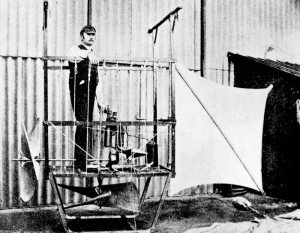
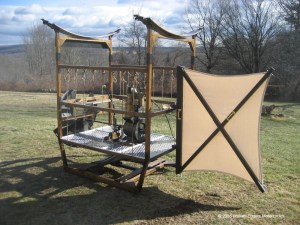
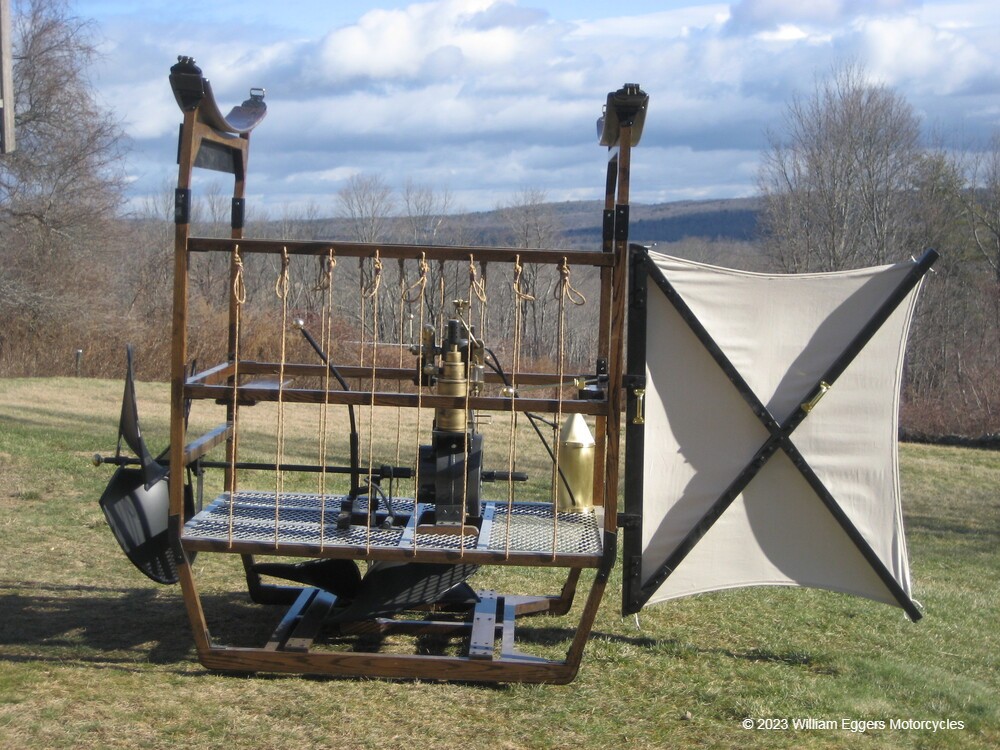
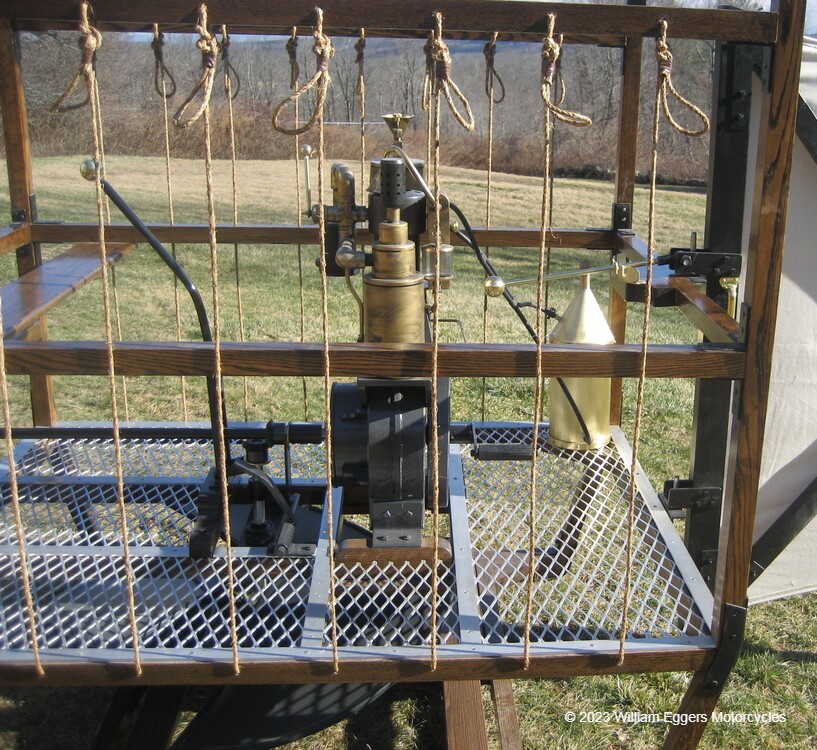
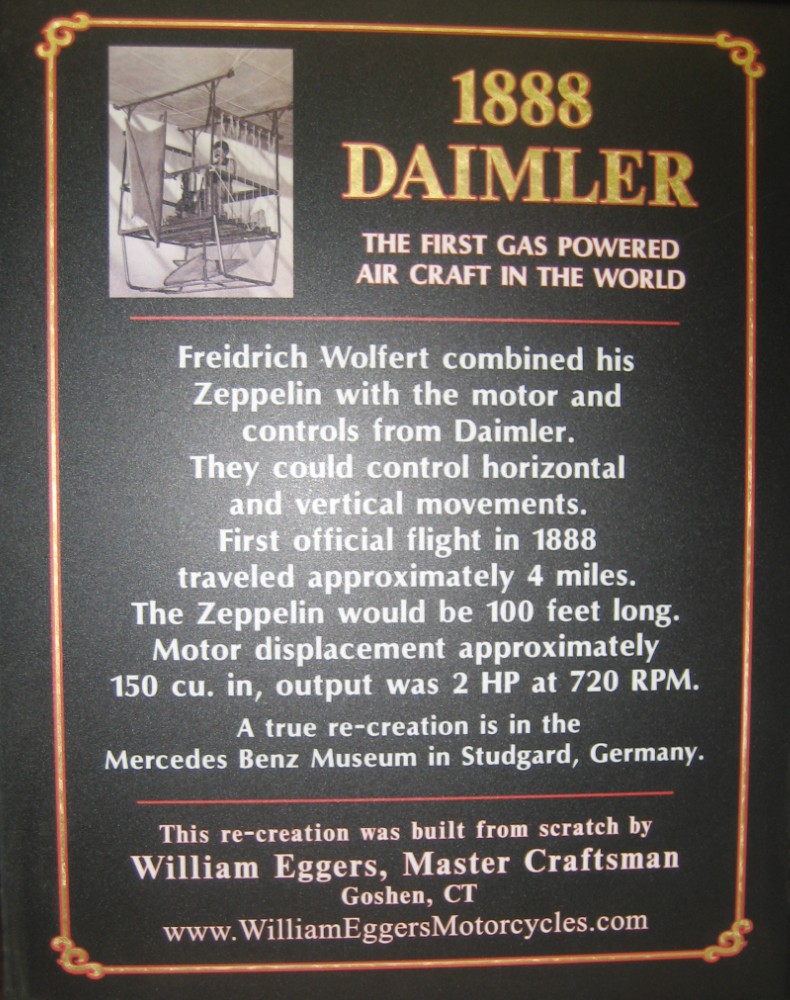
1888 Daimler Engine for Graf Zeppelin Airship

“…10 August 1888: on this day, at 9 o’clock in the morning, the airship belonging to Dr Friedrich Hermann Wölfert begins a journey spanning more than four kilometres starting from Daimler’s factory courtyard and ending at the Aldingen parade ground near Kornwestheim.

Whilst the floatation panel of the airship, filled with hydrogen gas, mainly overcomes gravity, the 1.8 kW (2.5 hp), high-speed Daimler single-cylinder engine powers the two propellers (horizontal and vertical) and is therefore responsible for propulsion and trimming. On this morning, it becomes clear that the four-stroke engine has great potential as an aircraft engine.” from Mercedes Benz Group Media.

This re-creation was built from scratch by William Eggers, Master Craftsman.

1902 Electric Studebaker Delivery Carriage

In the 1850’s, three brothers John, Clem and Henry worked in their father’s wagon repair business in the east. They went out west to find their fortune in California’s gold rush. They failed at that but did see a demand in the mines for wheelbarrows.

In 1868, the Studebaker Co. was organized and by 1875 was the largest wagon manufacturer in the world.

In 1902, the company started making horseless electric carriages and in 1904 gasoline powered vehicles. The rest is history.

This is a recreation if the first electric Studebaker from 1902. Made of solid mahogany and brass.

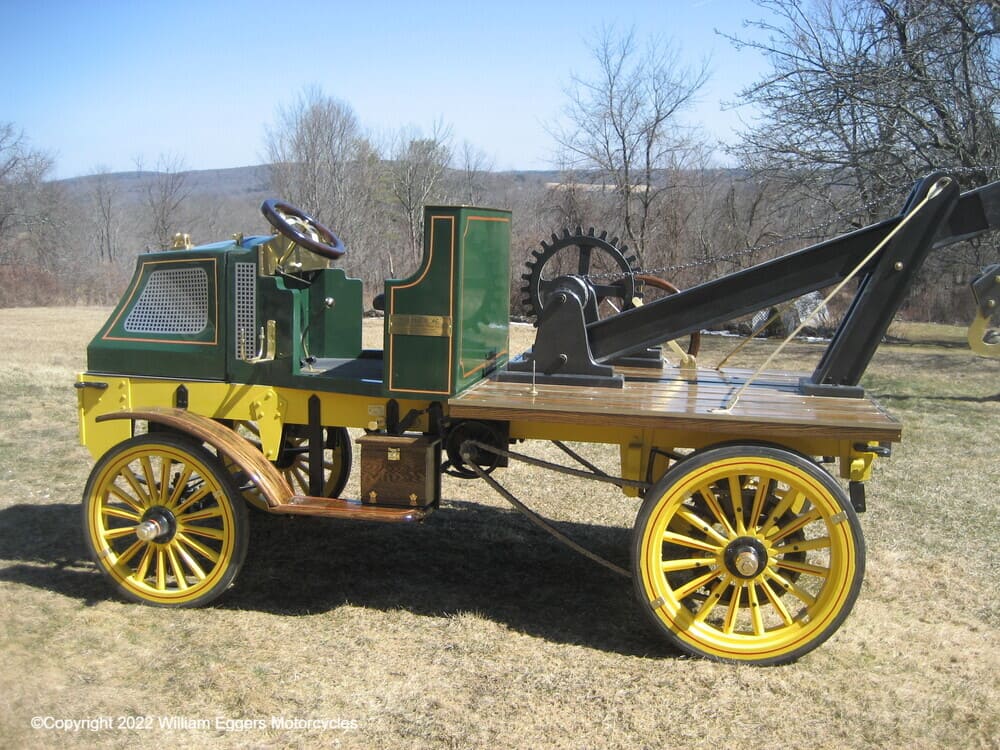
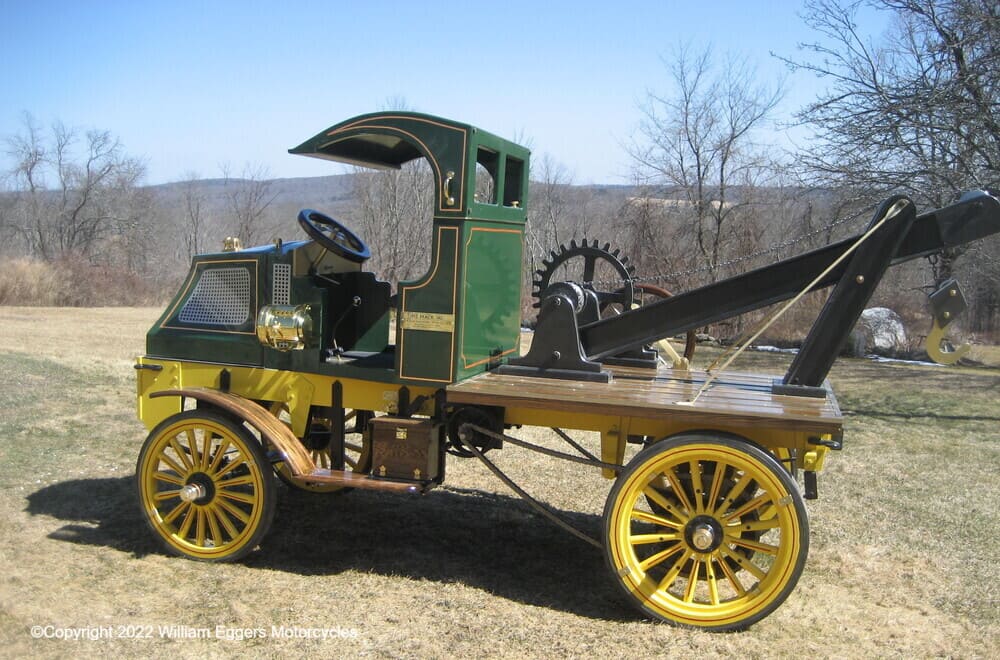
1915 Mack “AC” Bulldog

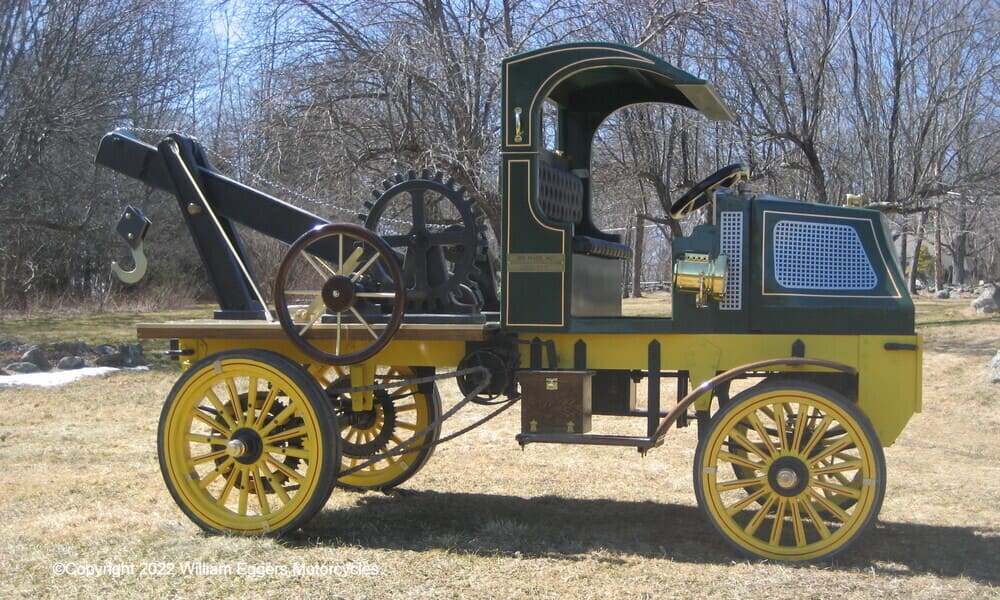
The “AC” was the first model built by MAC International (previously the International Motor Company). It was considered a custom truck, as the body of the truck was made for the needs of any kind of trade.

Made in 3 1/2, 5 1/2, and 7 1/2 ton capacity

7 Forward speeds, 2 Reverse speeds

Any paint color, for an additional $50

Chain drive and dual wheels were standard

40 HP Cylinder 5″ Pistons

These trucks were a big part of World War I. It was also the first year for the “C” cab; without sides or windshield.

1902 Studebaker Electric

This custom made replica features a mahogany body, forward and reverse, 24 volt system, leather fenders, brown leather diamond tufted seats, oil lamps, solid brass accessories and gold leaf.

1898 Daimler Truck

Featured in the January/February 2019 issue of The Star, the Mercedes-Benz Club of America’s Magazine! Many thanks to The Star for graciously allowing us to re-post the article. Written by Gary Anderson with Bill Eggers and Jennifer Ortiz and photos by Sean Aryai and Bill Eggers. You can read more about the 1898 Daimler–from framing to final construction–by clicking here or turn to page 50 in your magazine!


Birth of the first conventional platform truck (pick up truck) with the engine located over the front axle.

Three speeds and reverse, water-cooled, 5 HP – 2 cylinder gas engine and rear shoe brake. Used mainly for delivering beer from Germany to London.

Call for pricing.


1886 Daimler Motor Carriage Replica

The world’s first four-wheeled car. Just finished! The original Daimler Motor Carriage was burned up in a museum fire. My recreation was duplicated from a replica in the Mercedes-Benz Museum in Stuttgart-Untertrkheim, Germany.

This is a static reproduction for a museum or private collector. Call for pricing.

Save

Goldleaf version:

Save

Save

1893 Duryea Automobile Replica

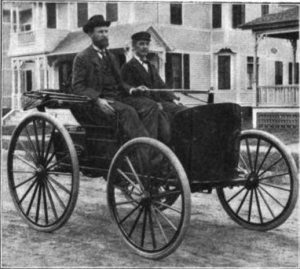
The 1893 Duryea was America’s first automobile made in Springfield, Massachusetts by Frank and Charles Duryea. An original Duryea, a one cylinder, four-cycle vehicle, is in the Smithsonian.

Public Domain image of the Duryea Brothers

This beautifully hand-crafted replica of the 1893 Duryea features all leather upholstery, a convertible top, and a walnut and brass luggage rack. The headlights are working oil lamps. This Duryea replica seats two comfortably and handles easily. Speed ranges from 0-10 miles per hour. Tiller steering provides direction and while the original Duryea had no brakes, this replica has been outfitted with drum brakes. To hear more about the Duryea:


This stunning replica is available to museums and private collectors alike. Serious inquiries only. Call for pricing.